


Daphne Odora (Winter Daphne)
Daphne Odora (Winter Daphne)
Couldn't load pickup availability
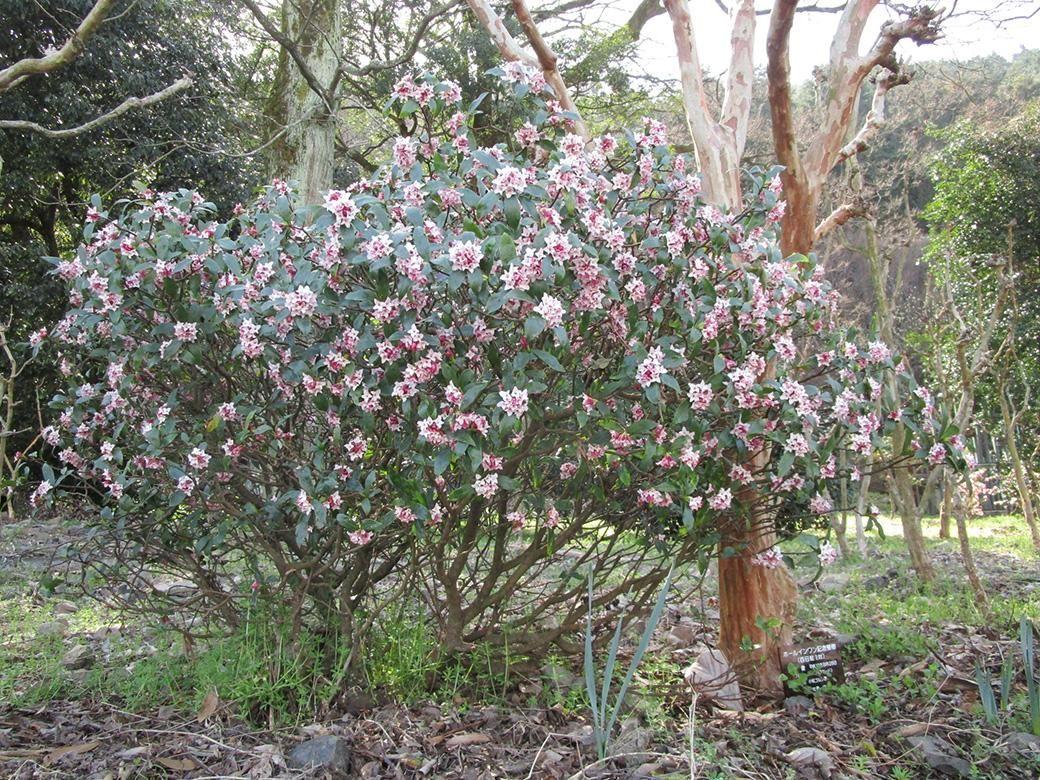
Daphne Odora (Winter Daphne) is a compact evergreen shrub treasured for its exceptionally fragrant winter flowers and attractive year-round foliage. Rounded clusters of deep pink buds open into delicate pale pink and white, star-shaped blooms, creating a beautiful contrast against its glossy, dark green leaves. Its naturally neat, bushy form makes it an elegant addition to shaded borders, courtyards, pathways and entrance gardens.
Plant Winter Daphne close to doors, windows or outdoor entertaining areas where its rich perfume can be fully appreciated. It performs best in fertile, moist but freely draining soil in a sheltered position with filtered light or partial shade. Once established, it needs little pruning and provides dependable foliage, winter colour and fragrance in a relatively compact space.


Collapsible content
Mature height
Approximately 1–1.5 metres.
Mature width
Approximately 1–1.5 metres.
Spacing
Approximately 1–1.5 metres apart, allowing sufficient room for the shrub’s mature spread and airflow.
Evergreen/Deciduous
Evergreen
Foliage
Deep pink flower buds opening to pale pink and white flowers; glossy, leathery dark green foliage; occasional red fruit.
Flowering Period & Fruit Development/Harvest
Highly fragrant flowers appear from late winter through early spring. Small red fruits may occasionally develop after flowering, although fruiting is not always reliable.
Sun tolerance
Partial shade or filtered sunlight. It can tolerate full sun in cooler, sheltered locations, but protection from harsh afternoon heat is recommended in warmer Australian conditions.
Maintenance
Low to moderate. Water regularly while establishing, maintain even moisture without waterlogging and apply an organic mulch during spring. Keep pruning to a minimum, removing only dead, damaged or unwanted growth after flowering.
Root System
Sensitive to disturbance and transplanting. Requires cool, well-drained soil because prolonged wet or waterlogged conditions can cause root rot. Avoid disturbing the root zone once established.