


Gardenia Jasminoides ‘Professor Pucci’ (Professor Pucci Gardenia)
Gardenia Jasminoides ‘Professor Pucci’ (Professor Pucci Gardenia)
Couldn't load pickup availability
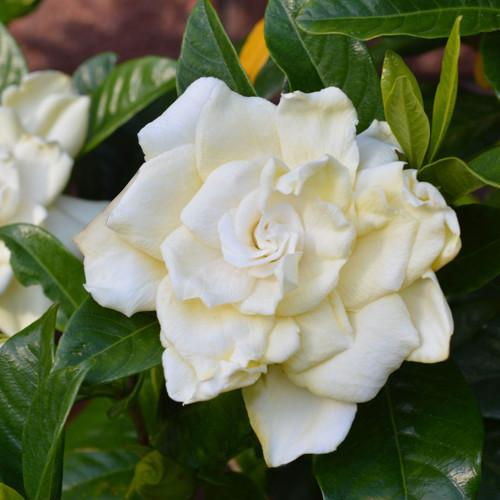
Gardenia Jasminoides ‘Professor Pucci’, commonly known as Professor Pucci Gardenia, is a beautiful evergreen shrub prized for its glossy, deep green foliage and large, fragrant, creamy-white double flowers. The elegant blooms create a striking contrast against the lush leaves, bringing classic garden beauty, delightful fragrance and year-round greenery to outdoor spaces. With its attractive growth habit and ornamental appeal, this gardenia is an excellent choice for adding sophistication to garden beds, borders and courtyard plantings.
Ideal for garden enthusiasts seeking a fragrant and attractive feature plant, Professor Pucci Gardenia is well suited to garden beds, sheltered courtyards and decorative containers. Plant it near patios, entrances or outdoor entertaining areas to enjoy its beautiful flowers and sweet perfume up close. For healthy growth and abundant flowering, provide well-drained, slightly acidic soil, consistent moisture and a position with morning sun or filtered light. With appropriate care, this rewarding shrub can enhance your garden with lush evergreen foliage and seasonal floral displays.

Collapsible content
Mature height
Approximately 1–1.5 metres
Mature width
Approximately 1–1.5 metres
Spacing
1–1.5 metres apart
Evergreen/Deciduous
Evergreen
Foliage
Glossy, dark green foliage with creamy-white double flowers that may fade to pale yellow
Flowering Period & Fruit Development/Harvest
Late spring to summer, potentially extending into autumn in suitable conditions
Sun tolerance
Partial shade to full sun in mild conditions; protection from harsh afternoon sun is recommended
Maintenance
Moderate. Water regularly to maintain consistent soil moisture without waterlogging. Use well-drained, slightly acidic soil, apply a suitable gardenia fertiliser during the growing season and prune lightly after flowering as needed.
Root System
Shallow, fibrous root system. Avoid excessive cultivation or disturbance around the roots.