


Quercus Lusitanica (Portuguese Oak)
Quercus Lusitanica (Portuguese Oak)
Regular price
$837.38
Regular price
Sale price
$837.38
Unit price
per
Shipping calculated at checkout.
Couldn't load pickup availability
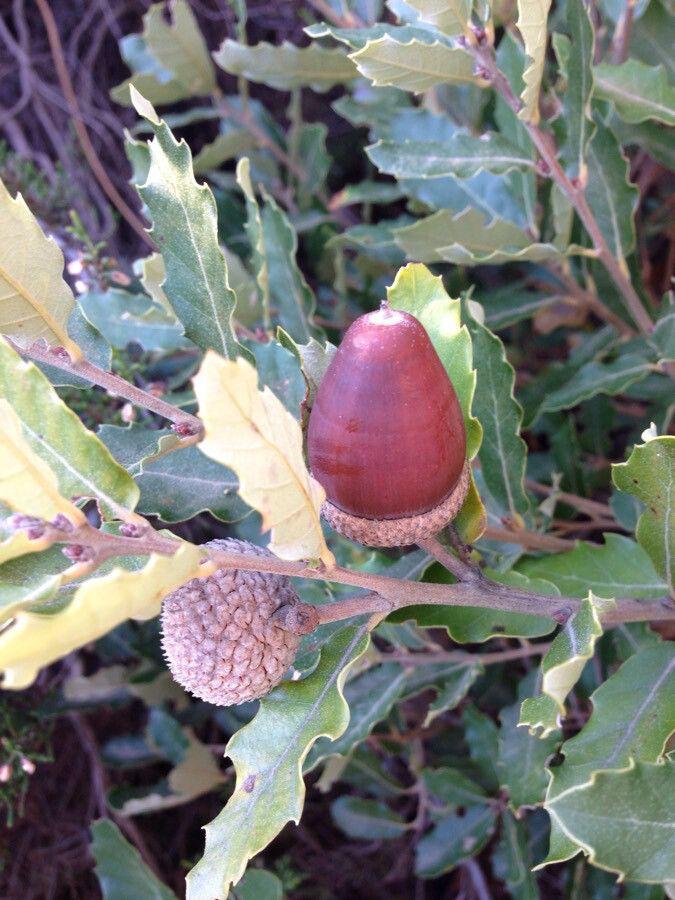
Quercus Lusitanica (Portuguese Oak) is a rare, low-growing oak species with a naturally compact, shrubby habit and deeply lobed green foliage. Its dense growth and sculptural form make it an excellent choice for feature planting, rock gardens, and naturalistic landscape designs.
Highly adaptable and drought-tolerant once established, this oak thrives in well-drained soils and performs well in full sun to part shade. It provides year-round structure and seasonal interest through its foliage and subtle spring flowering catkins.


Collapsible content
Mature height
1–2 m
Mature width
2–4 m
Spacing
2–3 m apart
Evergreen/Deciduous
Semi-evergreen to evergreen
Foliage
Green foliage; yellow-green catkins; brown acorns
Flowering Period & Fruit Development/Harvest
Spring
Sun tolerance
Full sun to part shade
Maintenance
Low; minimal pruning required
Root System
Deep, spreading root system